

Live your best life.
Responsible Living Starts at Home.
When we talk about climate change, it’s easy to put the emphasis on factories, transport and large-scale industry. But in reality, around 40% of the UK’s emissions come from households. That means our homes, and the everyday choices we make within them, play a much bigger role than many of us realise.
The opportunity here is powerful. By making smarter, more conscious decisions in how we live, consume and use energy, we can collectively drive meaningful change. It’s not about perfection. It’s about progress. Small shifts that, over time, add up to something far bigger.
Below, we explore practical ways to reduce your impact, without compromising on comfort or lifestyle.

Smarter Water.
Water use is often overlooked and experts warn that with hotter summers the UK is facing a new normal where droughts are more common, increasing from roughly once every 16 years to potentially every 3 years.
Try this: Install tap aerators to instantly reduce water usage by up to 60% and water bills by up to 20%, all without compromising on flow.
Vampire Energy.
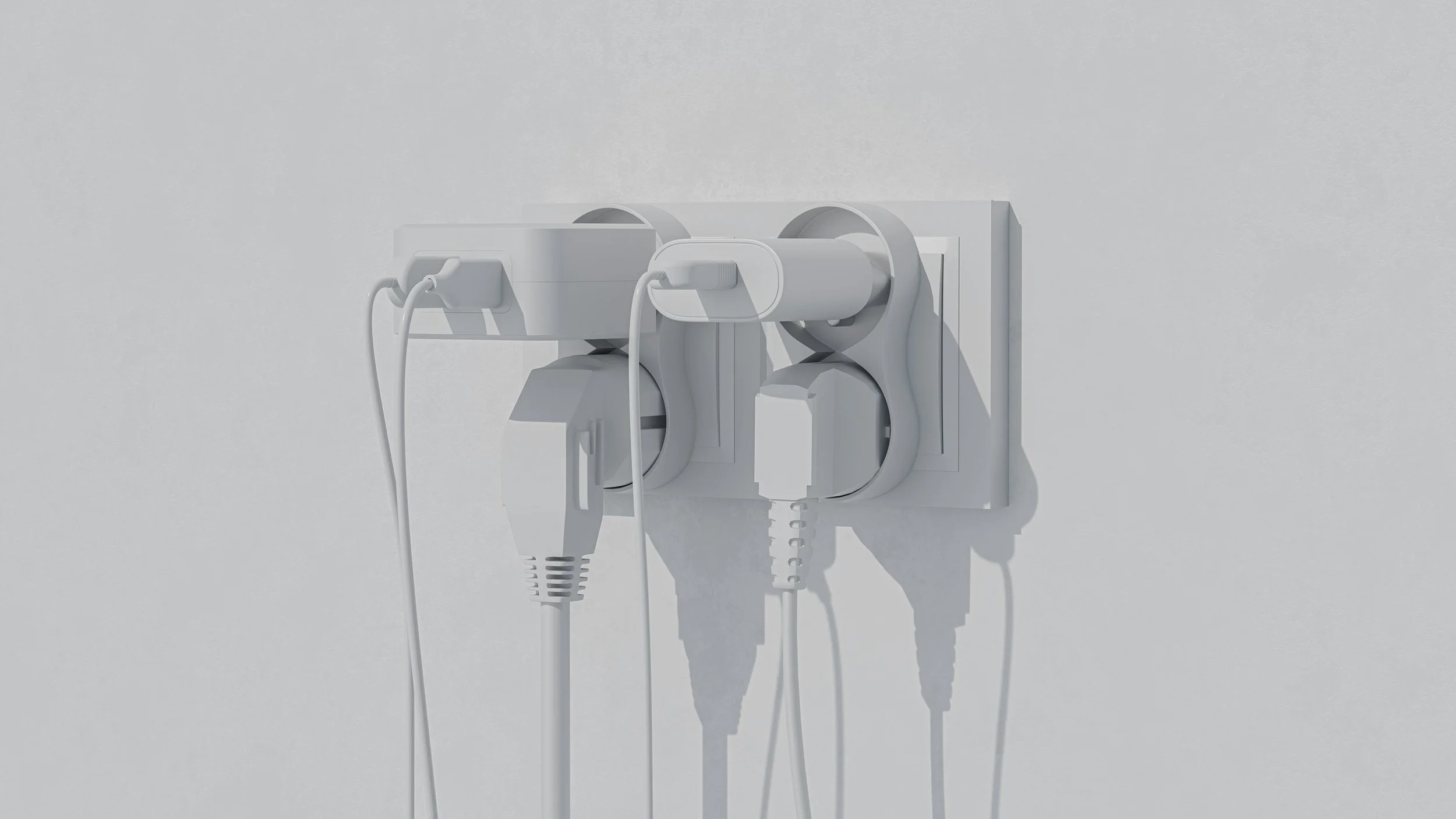
Even when devices are switched off, they’re often still drawing power. This is known as vampire energy, or phantom load, and can quietly account for a surprising chunk of your energy bill.
This this: Turn off devices at the plug instead of leaving them on standby and don’t leave chargers plugged in. Smart plugs can make it easier to manage bigger home devices.
Take Back.
Many everyday items can be reused, repurposed or recycled in ways that aren’t always obvious. There are also items that should be safely disposed of, like unused or out of date medicines.
Try this: Look for brand take-back services for clothes and specialist recycling programs for beauty products - some offer store credit in return.
One Degree.
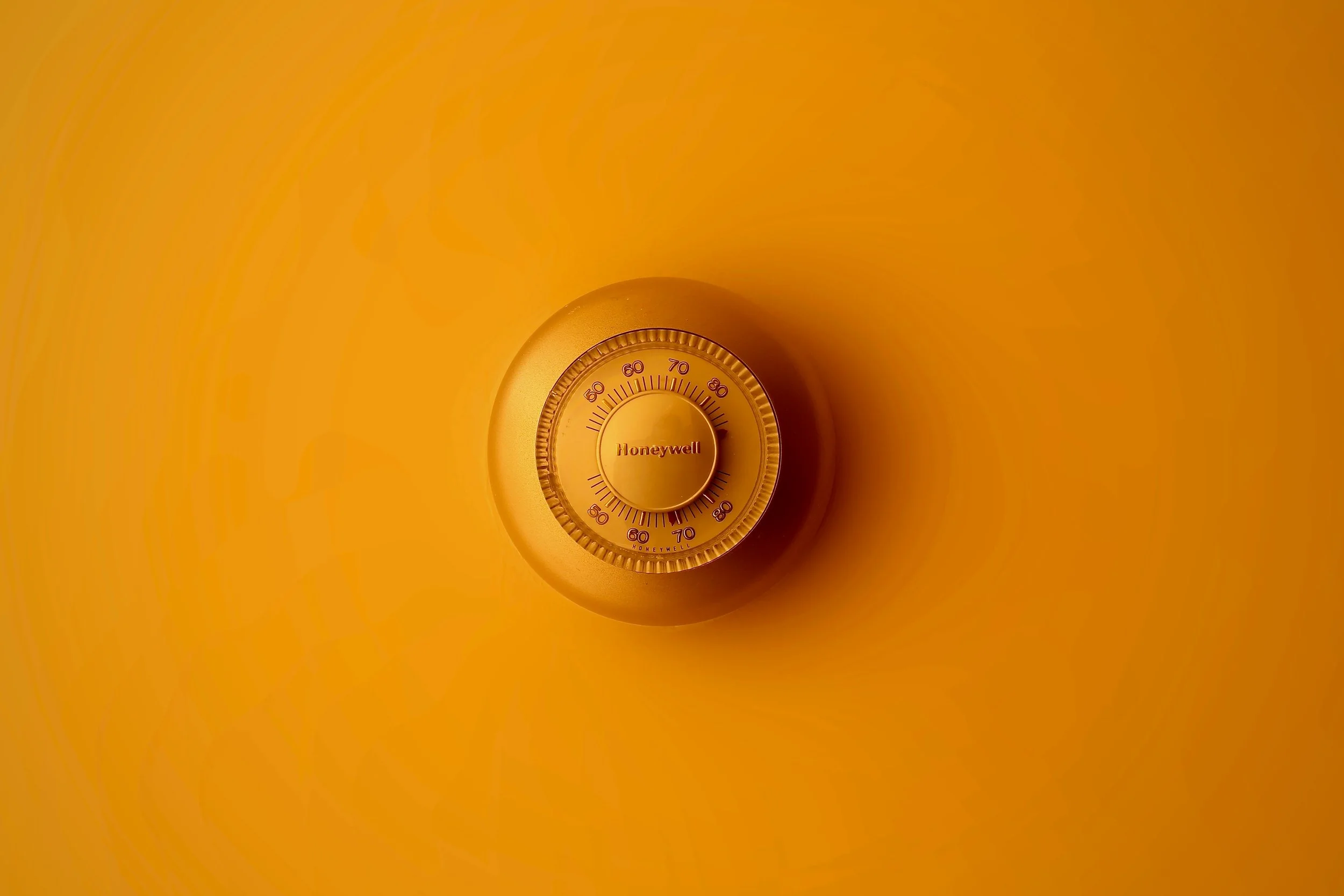
Lowering your thermostat by just 1°C might feel like a small change, but over time it adds up. A typical UK home can reduce energy use by around 4–6%, while the energy used specifically for heating drops around 13%.
Try this: Start reducing your thermostat by half a degree and see if you even notice. The most efficient temperature is between 18°C and 20°C.

Digital Footprint.
Every image and email we keep in the cloud is stored on energy-intensive servers which run continuously to keep data accessible. With thousands of photos accumulating over time, this demand continously scales.
Try this: Regularly spring clean your inbox, delete duplicates, screenshots and unwanted photos, and be selective about what’s backed up. Remember to also delete your deleted items.

Green Streaming.
Streaming also carries an environmental cost that often goes unnoticed. The energy required to stream films, music and content is significant, especially in HD and differs between platforms and devices.
Try this: Stream in standard definition where quality isn’t essential, dim your screen to 70% brightness, turn off autoplay and download content where possible instead of streaming.